
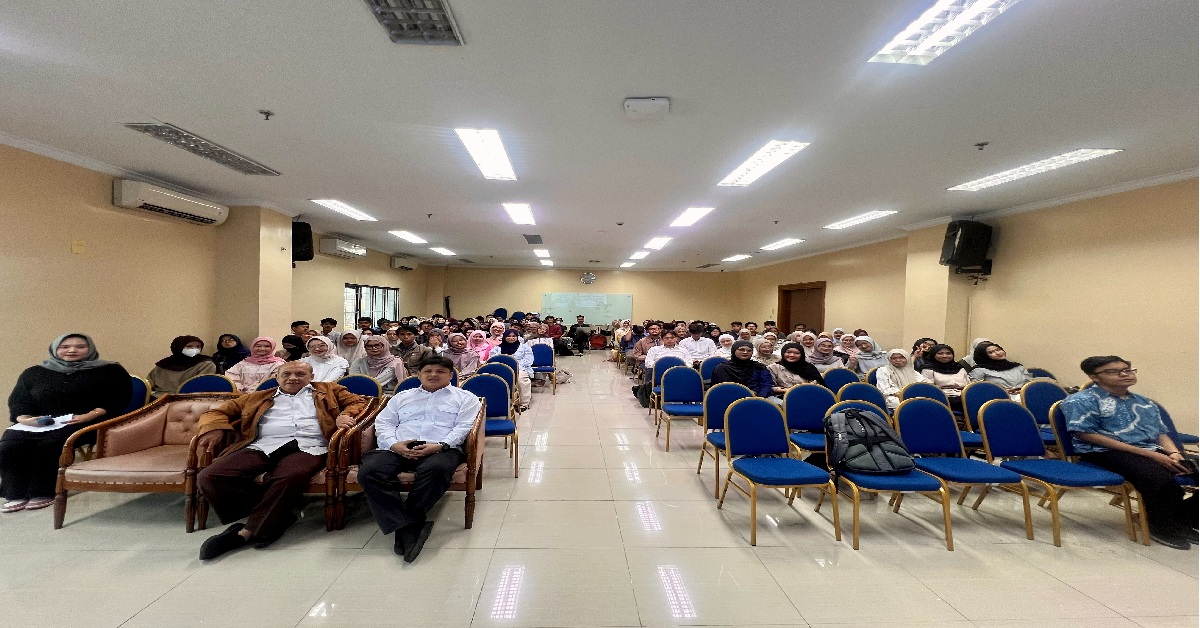
The Accounting Study Program held the first session of the second day of its Coaching Clinic, focusing on Managerial Accounting
East Ciputat, September 21, 2026. The Accounting Study Program continued its series of Coaching Clinics for the Class of 2023 accounting students. This initiative aims to prepare seventh-semester students to conduct research for their final thesis projects. The Coaching Clinic took place in the tiered theater room on the 5th floor of the Faculty of Economics and Business building on Jalan Ibn Taimiyah, Ciputat.
The first session began at 08:00 and was opened by the Secretary of the Accounting Study Program, Hepi Prayudiawan, SE., MM., Ak., CA., representing the Head of the Accounting Study Program, Dr. Fitri Damayanti, SE., M.Si. This session marked the beginning of a ten-part Coaching Clinic series that Class of 2023 accounting students are required to attend, designed to better prepare them for developing their thesis proposals.
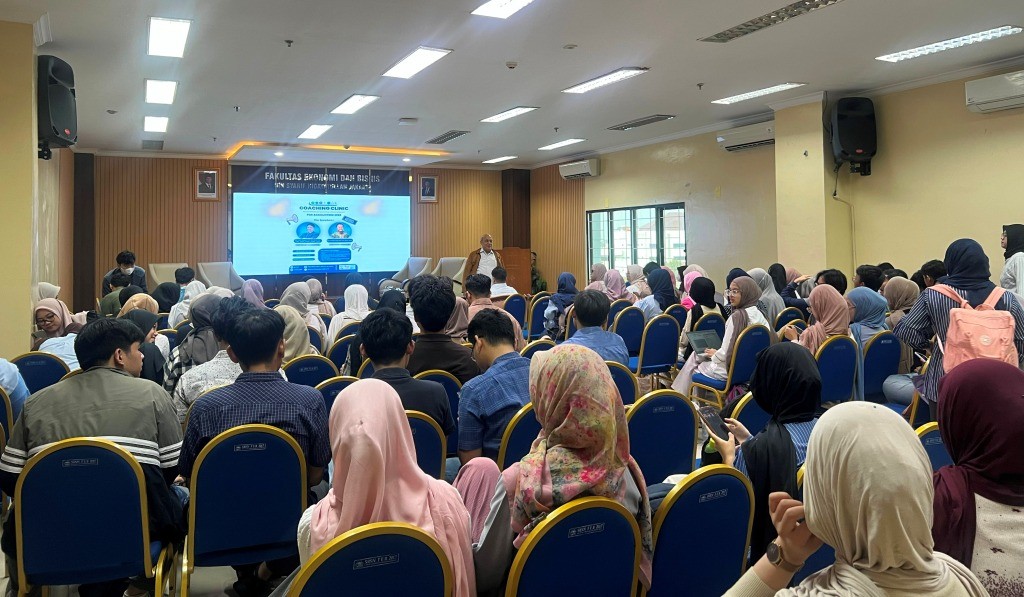
The first session featured Dr. Yusar Sagara, M.Si., Ak., CA., CMA., CPMA.—a permanent lecturer in the Accounting Study Program and an accounting practitioner—as the speaker. He discussed research related to management accounting, covering current topics such as Traditional Management Accounting (cost, budget, performance), Behavioral Management Accounting (motivation, participation, engagement), Digital Management Accounting (AI and data management control), and Sustainability Management Accounting (ESG, resource allocation).
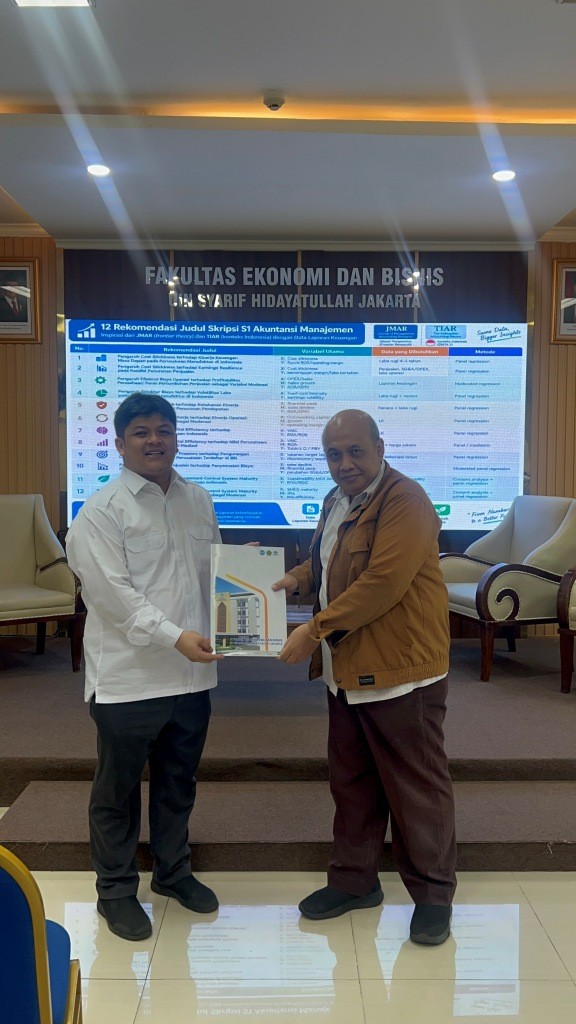
Dr. Yusar Sagara also explained the paradigm shift in management accounting research. Traditional management accounting encompasses budgets, variances, performance, and rewards. The field has shifted from these traditional systems toward contemporary or behavioral management accounting. Contemporary management accounting comprises management control design, employee perception, psychological/social mechanisms, employee behavior, and organizational outcomes.(akt)